
Best London neighbourhoods by areaLondon Neighborhoods Made Simple
London is easier to understand when you explore it by neighbourhood. Use these area guides to plan better days, choose where to stay, and avoid crossing the city more than you need to.

Do not plan London as one big city. Plan it as connected neighbourhoods. That is how the city starts to make sense.
Westminster, Covent Garden, South Bank, or Soho.
Notting Hill, Greenwich, Hampstead, or Shoreditch.
Soho, Borough Market, Shoreditch, and Covent Garden.
Kensington, Bloomsbury, South Bank, and City of London.
Westminster, South Bank, Greenwich, and Notting Hill.
Where do you want to explore?
Each London neighbourhood has a different job. Some are best for landmarks, some for food, some for museums, and some for slower wandering.
Westminster
The easiest place to start if you want Big Ben, Parliament, Westminster Abbey, Buckingham Palace, and classic first-time London views.
Explore Westminster →South Bank
A scenic riverside area with the London Eye, views across the Thames, cultural venues, food stops, and one of London’s easiest walks.
Explore South Bank →Soho
Central, lively, and full of restaurants, bars, theatres, late-night energy, and side streets that make London feel electric.
Explore Soho →Notting Hill
Colourful houses, calm residential streets, cafés, Portobello Road, and a softer side of west London.
Explore Notting Hill →Greenwich
Maritime history, riverside views, green space, markets, museums, and one of the best slower days in London.
Explore Greenwich →Covent Garden
Street performers, shopping, theatres, cafés, and a useful central area that connects easily with Soho and the West End.
Explore Covent Garden →Best London Neighbourhoods by Travel Style
London is less one city than a patchwork of villages that grew into each other, and each area has its own pace. The quickest way to plan is to decide what you want from a day, then pick the neighbourhood that delivers it. These are the areas of London we cover in our neighbourhood guides, plus two more worth knowing.
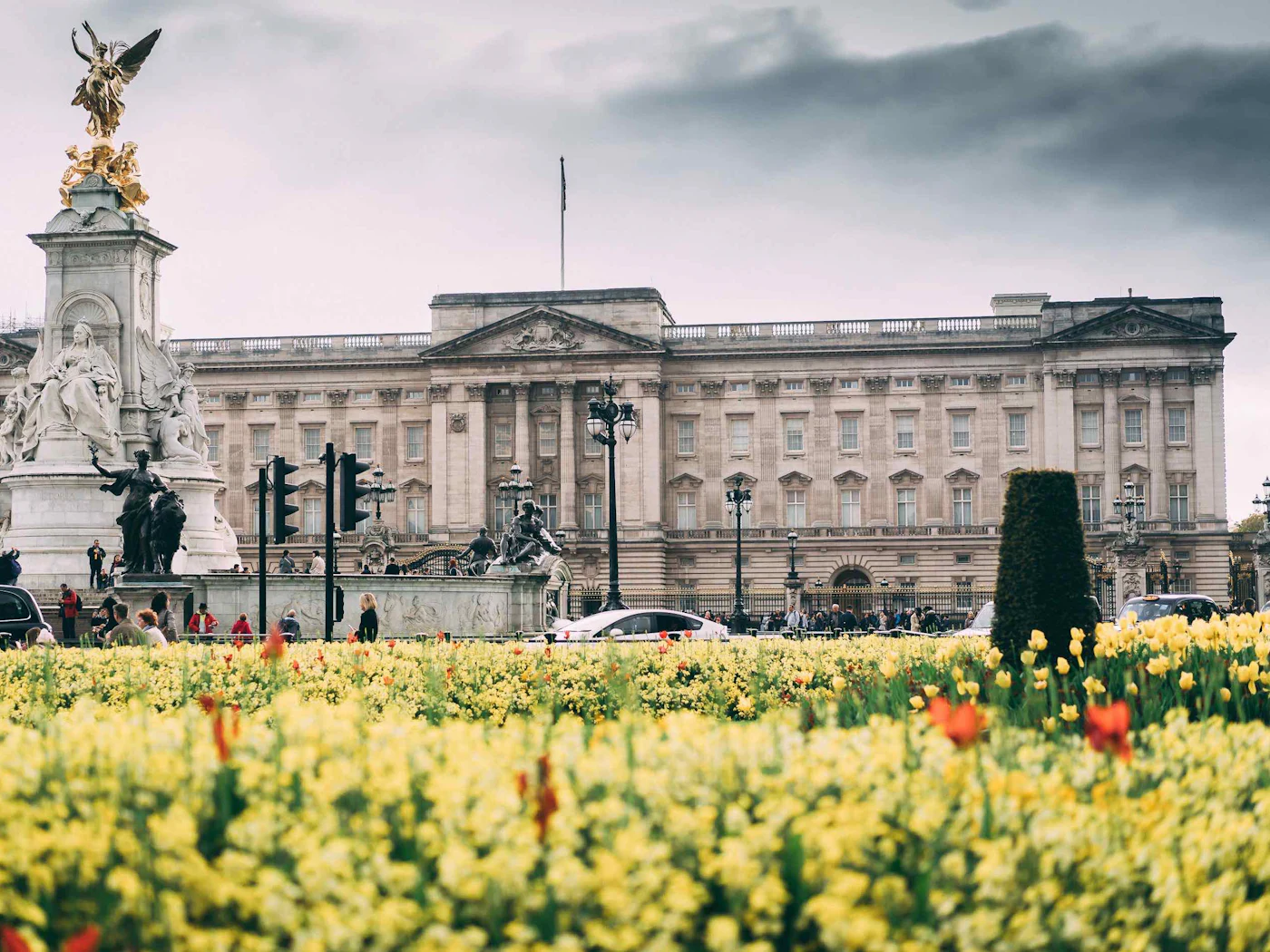
Famous landmarks on foot
Westminster
Big Ben, Westminster Abbey and Buckingham Palace within a short walk. Busy in the middle of the day, calmer early and late.
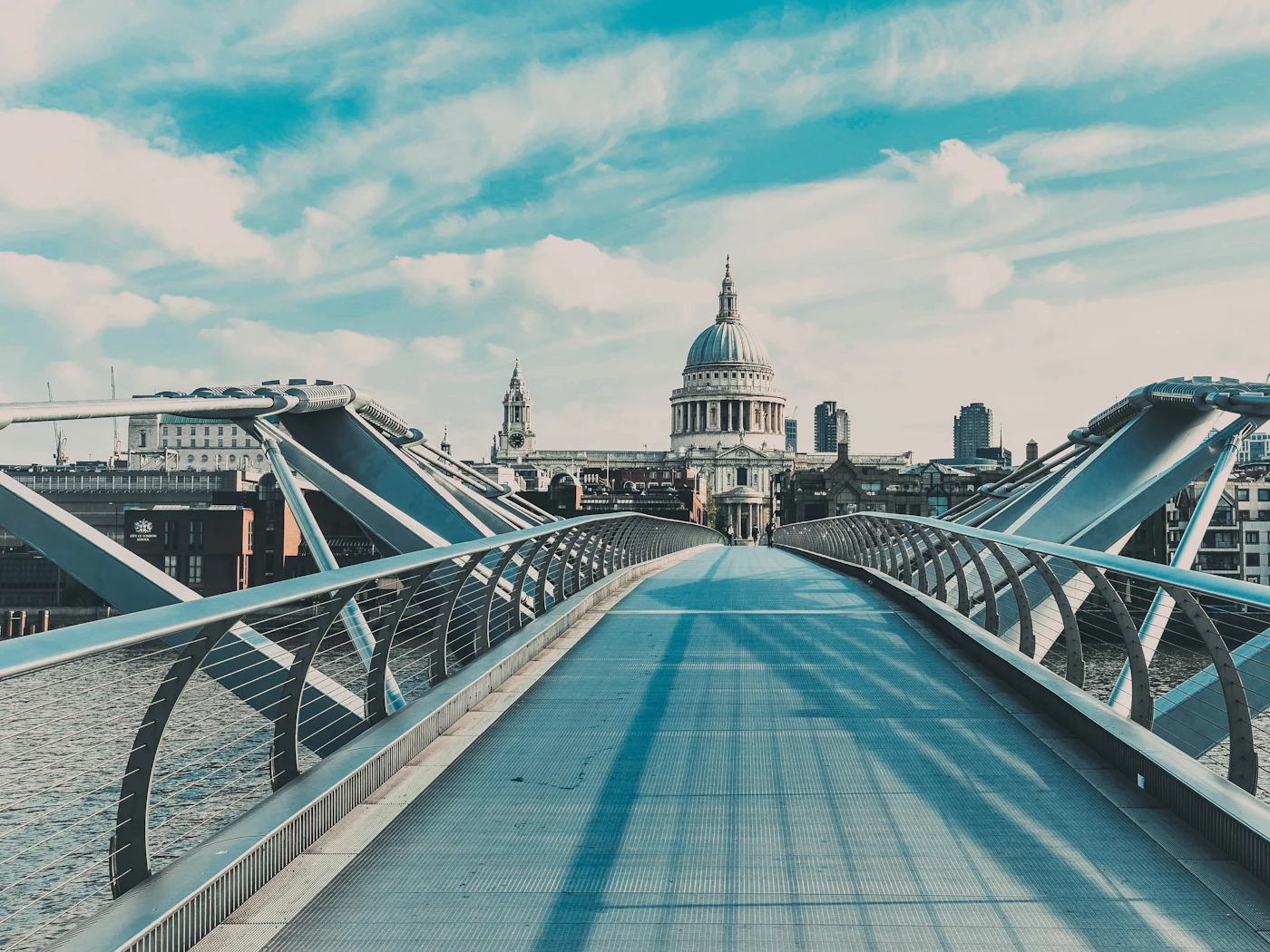
A long riverside walk
South Bank
A traffic-free path from the London Eye to Tate Modern and Borough Market, with bridges back across the river all the way.
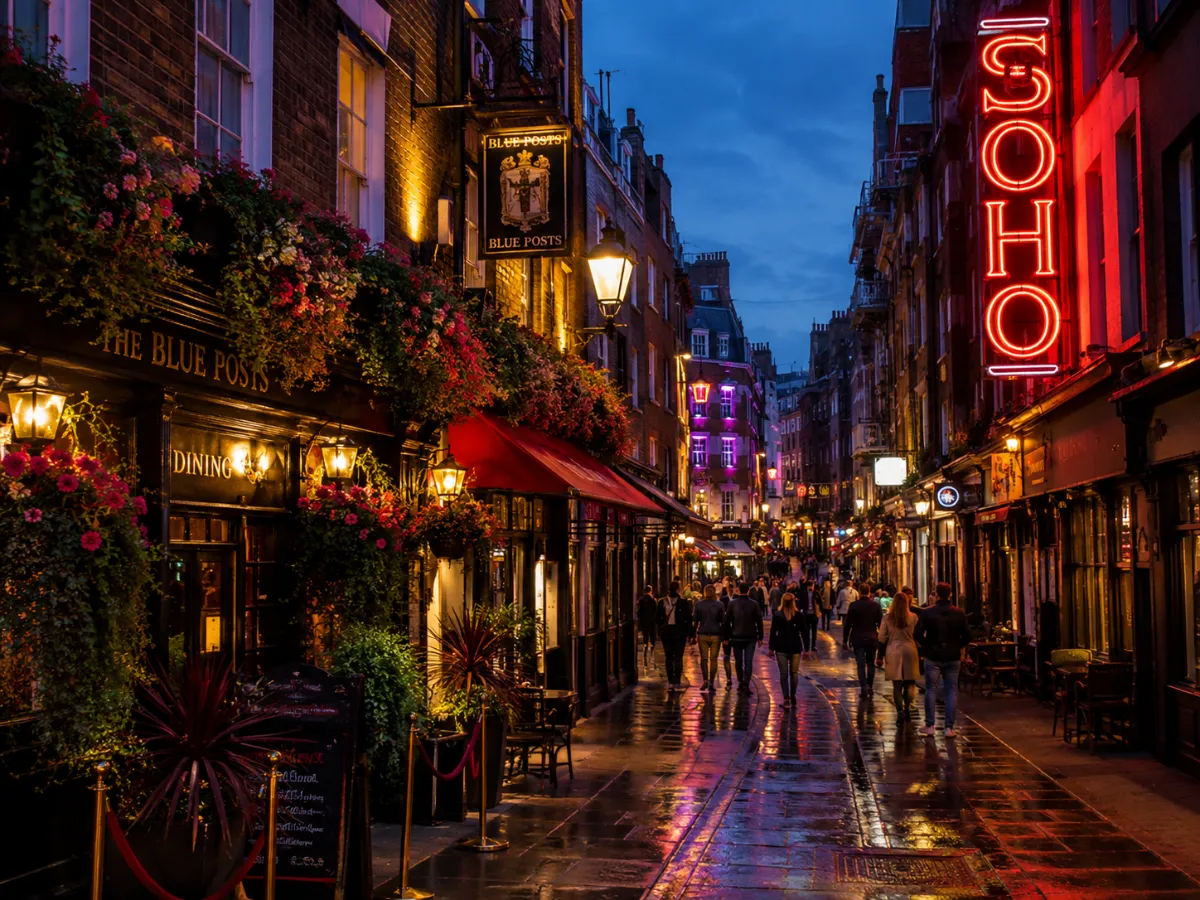
Dinner and a show
Soho
London's densest block of restaurants, bars and theatres, with Chinatown on its edge. Come hungry and stay late.
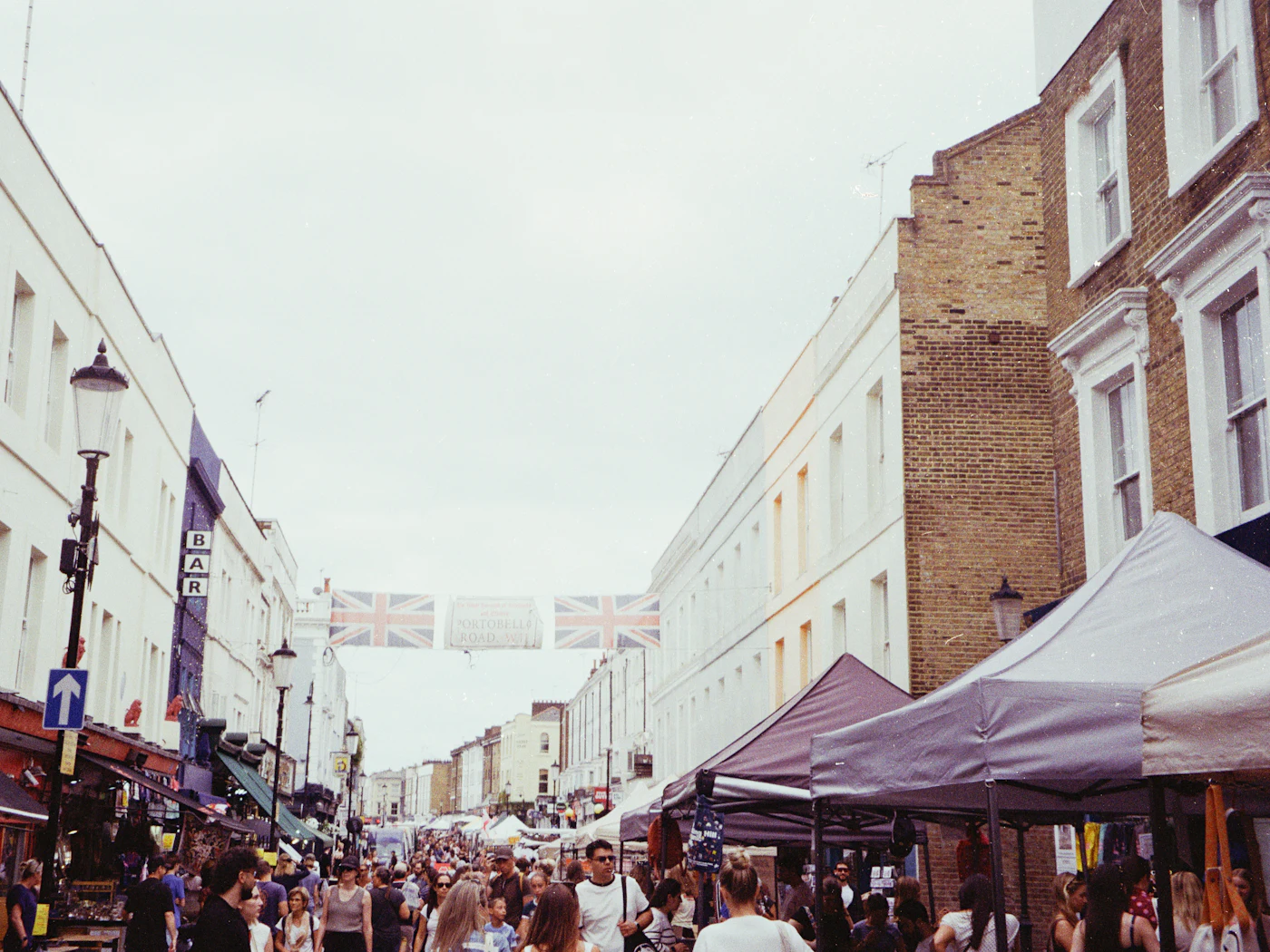
A slow morning and photos
Notting Hill
Pastel terraces, mews streets and Portobello Road, whose antiques stalls are at their fullest on Saturdays. Arrive early for photos without crowds.
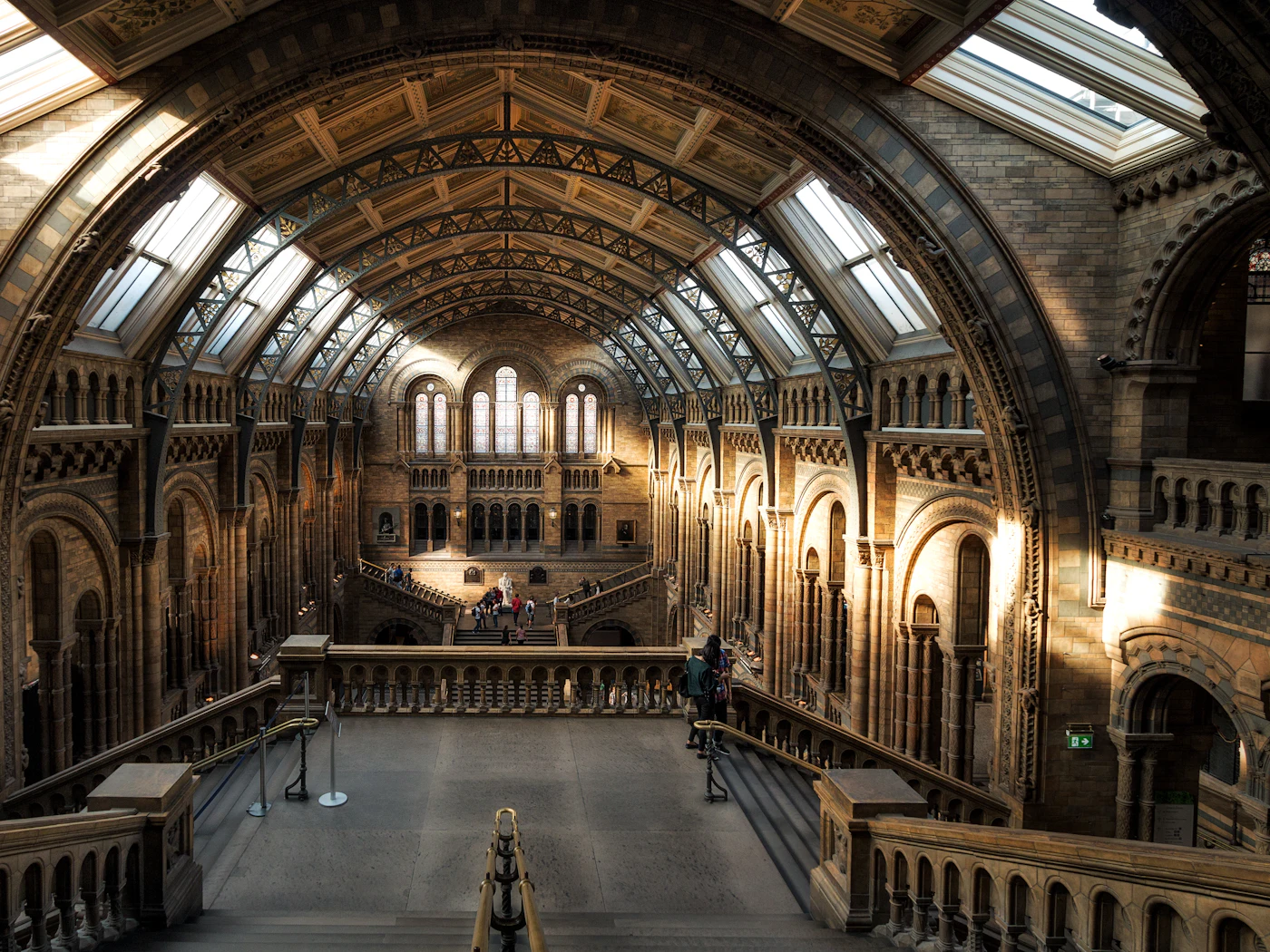
Free museums with children
South Kensington
The Natural History Museum, the Science Museum and the V&A sit side by side on Exhibition Road in South Kensington, all free to enter, with Hyde Park a short walk north.
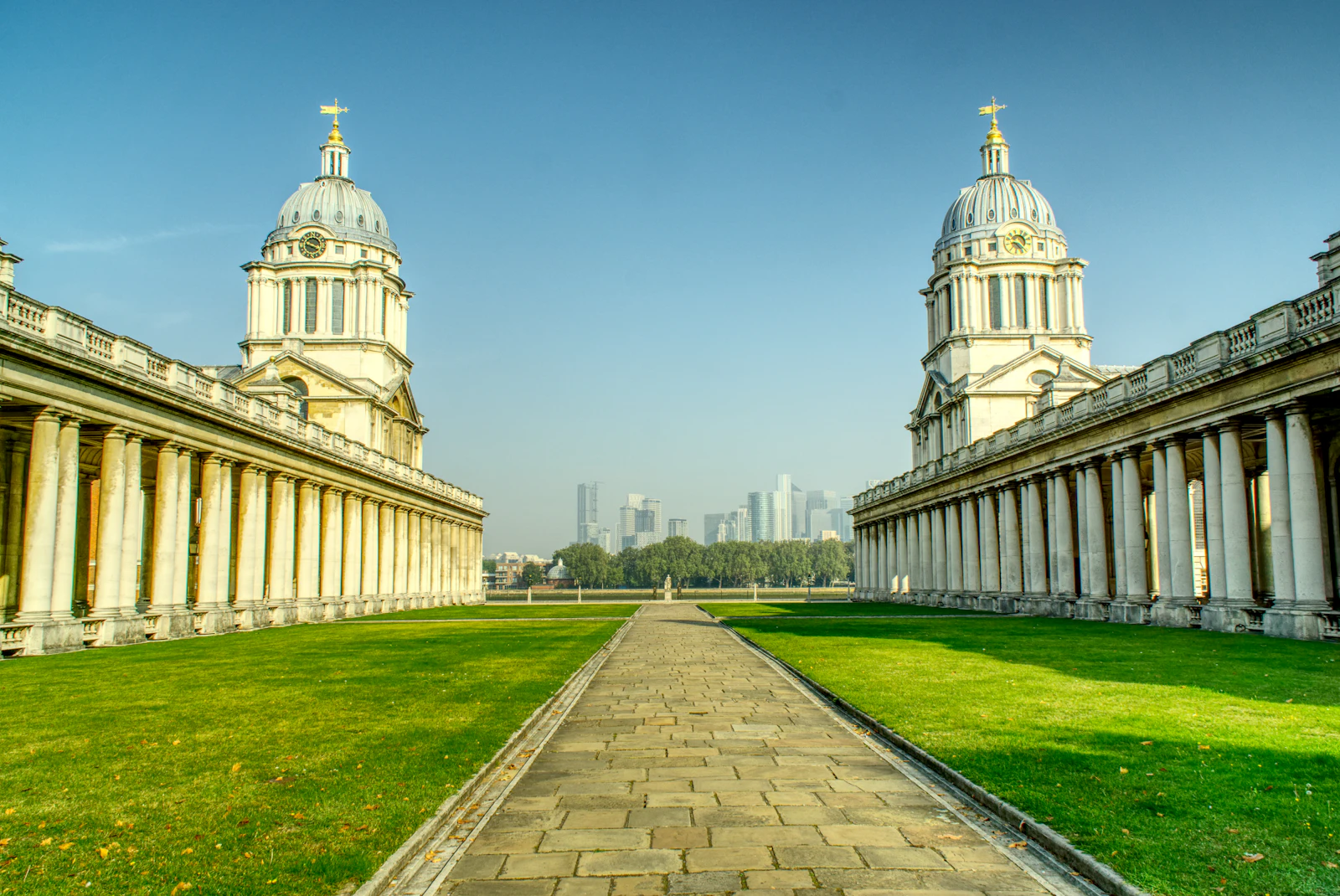
A day out with a view
Greenwich
The Royal Observatory, the Cutty Sark and one of London's best views from the top of Greenwich Park. Arriving by river boat is half the fun.
East London and Shoreditch
This part of London has changed faster than anywhere else. Shoreditch is the centre of it: street art, independent shops, coffee bars and late-night food. Brick Lane and Spitalfields Market are a short walk south, and Columbia Road's flower stalls fill its street on Sunday mornings. It suits a second visit or anyone who has had enough of landmarks. Check opening days before you go, as several only trade at weekends.
Choosing a Base by Area
Where to stay in London matters more than most visitors expect, because it decides how long every journey takes. These are the most useful bases, from most central to best value.
Walk to the big sights and the river. Quiet at night and generally pricier.
Theatres and places to eat on the doorstep. Lively until late.
River views and an easy walk to Westminster and Bankside.
Leafy streets, free museums and Hyde Park, a short ride from the centre.
Good rail links, and often better value. Handy for Eurostar arrivals.
Three Rules for Exploring by Neighbourhood
Pair areas that touch
Westminster with the river, Soho with Chinatown, the museum quarter with Hyde Park. Neighbouring areas are often quicker on foot than underground.
One far area per trip
Greenwich and the East End each take a good half of your time. Choose one rather than trying both on a short visit.
Match the hour to the area
Photo streets and stalls in the morning, museums in the afternoon, theatres in the evening.
Neighbourhood Questions
Short answers to help you choose. The interactive London map shows where each area sits.
What is the best neighbourhood for a first trip?
Westminster and the riverside, because the most famous landmarks are a walk apart and the river path links them. Add the theatre district for the evenings.
How many London neighbourhoods can I see in a day?
Two that sit next to each other is a comfortable pace. Three is possible if they connect on foot, such as Westminster, the river path and the theatre district.
What counts as central London?
For visitors, central London roughly means Westminster, the theatre district, the Square Mile and the riverside. Greater London is far bigger, stretching well beyond the areas most trips cover.
Which area has the best food?
Soho has the widest range of restaurants, Borough Market is best for a grazing lunch, and the East End is strong for casual and late-night food.
Which are the best areas for travellers on a budget?
The best areas for value usually sit just outside the most famous streets but on a direct tube line, such as King's Cross or the edges of Bloomsbury. You save on the room and spend a few extra minutes on each journey. Most of the free museums and parks are in or near the London areas listed above, so a cheaper base does not mean missing the highlights.
Is East London worth a visit?
Yes, especially on a second trip. East London trades the landmarks for markets, street art, independent shops and some of the city's best casual food, and it feels very different from Westminster. Go at the weekend if markets are the reason you are visiting.
Can I tour London neighbourhoods on foot?
Yes, and walking is the best way to see how London neighbourhoods connect. Our self-guided London walking routes link several areas in one outing, and each neighbourhood guide suggests a route through its own streets. Comfortable shoes matter more than any travel app.
Use the map before choosing your day.
The biggest planning mistake is choosing places that sound good but sit too far apart. Use the London map to group neighbourhoods, attractions, food stops, and walking routes before building your itinerary.

London works best in clusters.
Westminster and South Bank belong together. Soho and Covent Garden pair naturally. Notting Hill and Kensington make a calmer west London day. Greenwich deserves more time than most people expect.
See the 3-Day PlanReady to build your London route?
Start with the 3-day itinerary if this is your first visit, or open the map to choose neighbourhoods based on what you want to see, eat, and experience.