
London Itinerary Ideas for Every Trip Length
Whether you have one day or a full week, these London itineraries help you plan your time by area, walking distance, and realistic daily pace.

London is easier when you plan by area, not by attraction. Choose your trip length first, then build each day around nearby places.
Start with 3 days for the best balance of landmarks, neighbourhoods, and local stops.
Use the 1-day or 2-day plans to focus on Westminster, South Bank, and central London.
Choose 4 or 5 days if you want museums, markets, parks, and less rushing.
The 7-day plan gives you room for Greenwich, Hampstead, Shoreditch, and relaxed exploring.
Popular London Itineraries
Pick the itinerary that matches your time, pace, and travel style. Each plan is designed to reduce backtracking and make London feel easier to explore.
Day
London in 1 Day
A focused first-timer route for seeing London’s most famous landmarks in one busy but memorable day.
View Itinerary →Days
London in 2 Days
A compact plan covering royal London, river views, markets, museums, and a little local character.
View Itinerary →Days
London in 3 Days
The best starting point for most first-time visitors, with landmarks, neighbourhoods, food stops, and scenic walks.
View Itinerary →Days
London in 4 Days
A slower version of the classic London trip, with more time for museums, markets, and relaxed neighbourhood exploring.
View Itinerary →Days
London in 5 Days
A fuller London plan with classic sights, local neighbourhoods, food areas, green spaces, and room to breathe.
View Itinerary →Days
London in 7 Days
A deeper London itinerary for travellers who want famous sights, village-like areas, day walks, markets, and hidden corners.
View Itinerary →Which Itinerary Should You Choose?
Not every London trip should be planned the same way. Use this simple guide to choose the right route before you start building your days.
How to Build a London Itinerary That Works
The biggest time-waster in London is crossing the city twice a day. Westminster, the Tower, Bloomsbury and South Kensington sit in different parts of town, and a route that hops between them spends hours underground. A good itinerary groups each day around one or two neighbouring areas, so you walk between the sights and only take the tube for the longer jumps.
Settle four things before you pick from the plans above. They matter just as much for two days in London as for a full week:
- Your arrival and departure times. A morning landing at Heathrow or Gatwick airport means a light first afternoon, not a full sightseeing day.
- Which days of the week you are here. Several big attractions change their hours on Sundays and Fridays (see the timing traps below).
- The two or three things you would be sad to miss. Book those first and build each day around them.
- One loose hour per day. Rain, queues and tired feet happen. A free slot lets you add a museum, a park or a long lunch without rewriting the day.
A Sample Three-Day Route
This London trip itinerary covers the landmarks most first-time visitors want, with each day built around one part of the city. The full version, with maps, timings and food stops, is on the 3 days in London itinerary page.
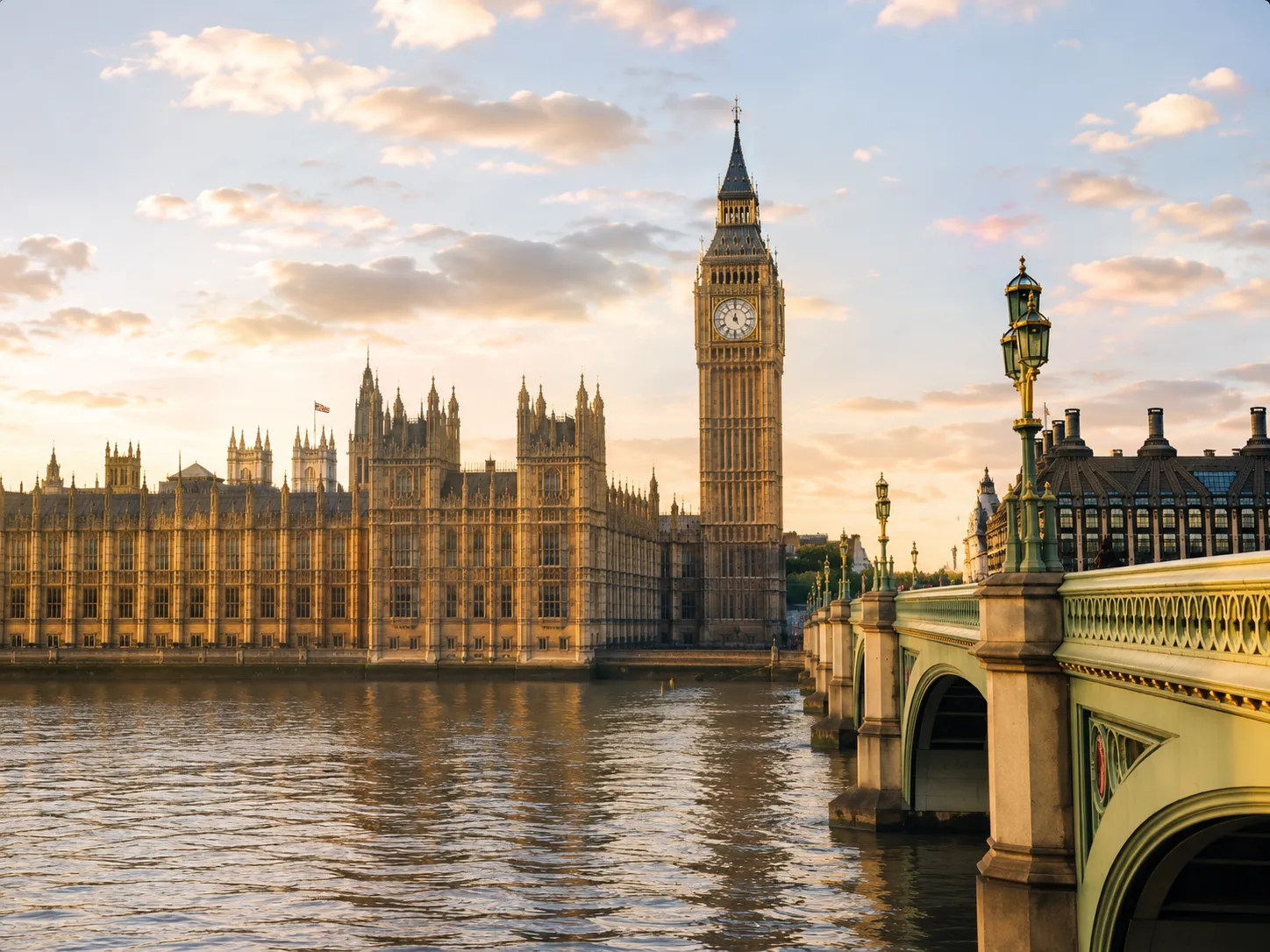
Westminster and the river
Westminster Abbey, then Big Ben and Parliament Square. Walk through St James's Park to Buckingham Palace for the Changing of the Guard on the days it runs.
Cross Westminster Bridge and follow the South Bank past the London Eye, with views back across the River Thames.
Dinner by the river, or a ride on the London Eye as the lights come on.
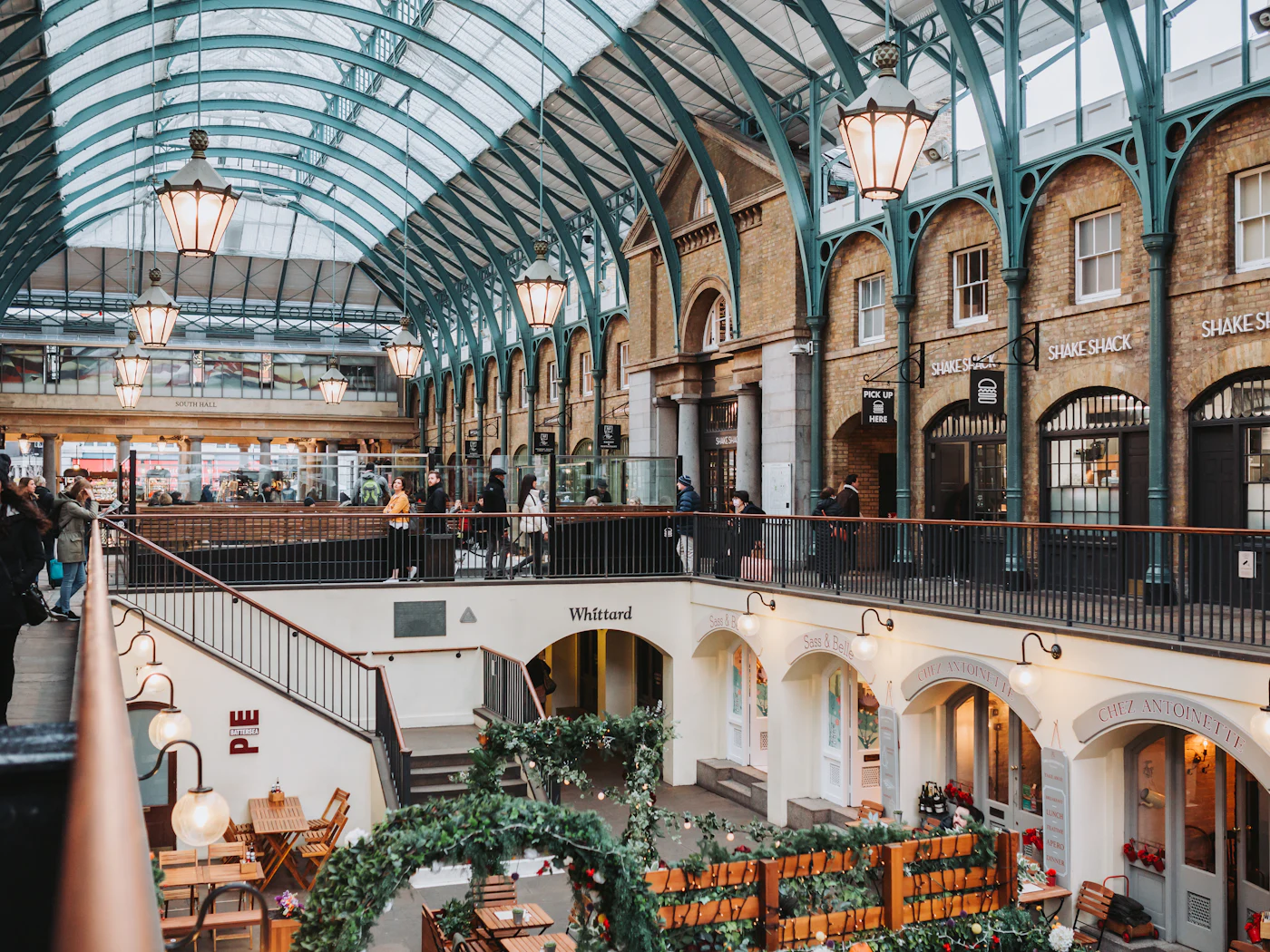
Covent Garden, culture and Soho
Covent Garden's piazza and market hall before the crowds build.
The British Museum or London's free National Gallery on Trafalgar Square. Pick a few rooms, such as the Rosetta Stone and the Parthenon sculptures, rather than two million years of history in one go.
Dinner in Soho, then a show in London's West End.
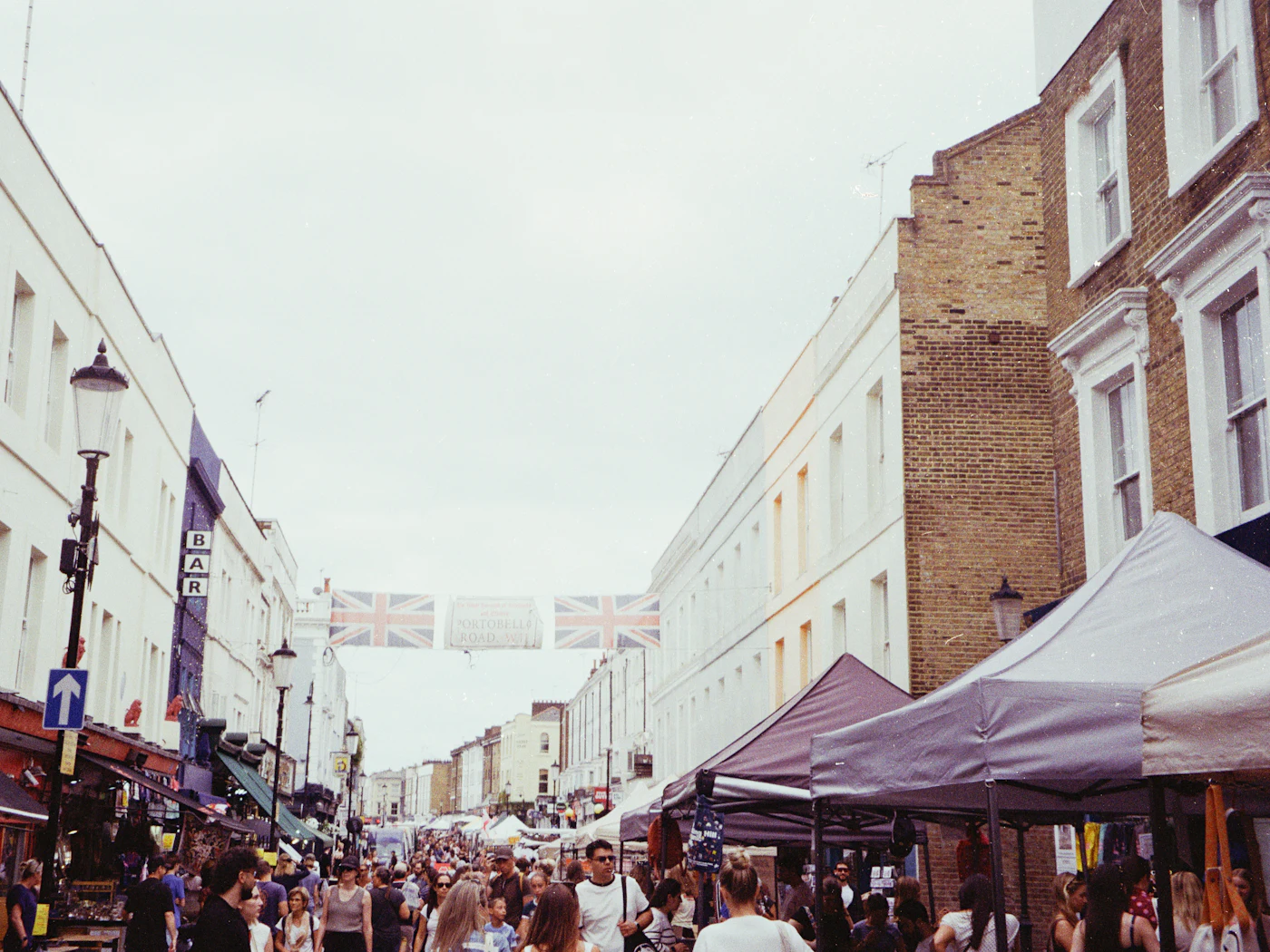
Notting Hill and Kensington
Notting Hill's colourful streets and Portobello Road, which is busiest on Saturdays.
Kensington Gardens and Hyde Park, with a South Kensington museum if the weather turns.
A classic London pub dinner for your last night in the city.
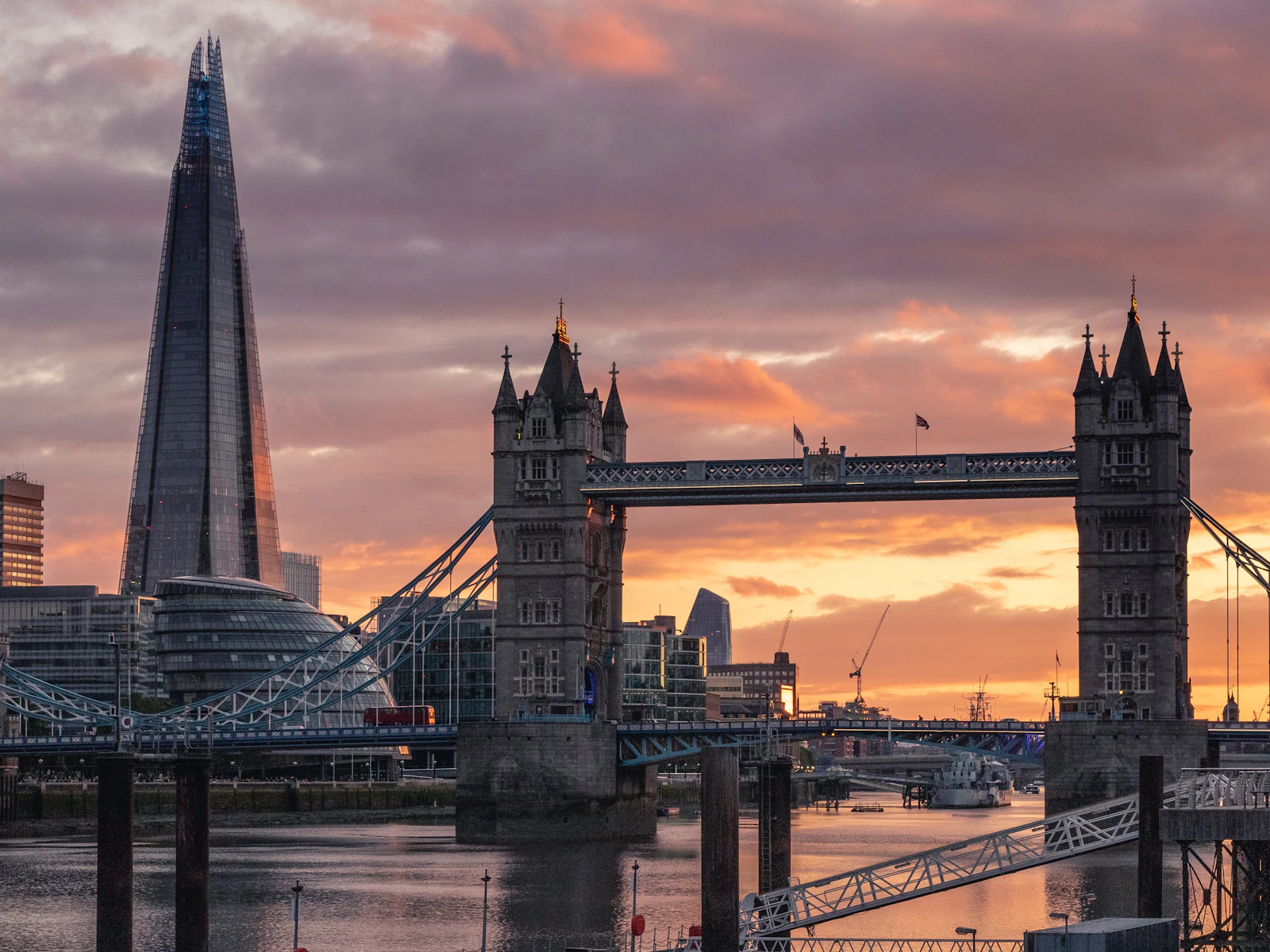
Want the Tower of London and Tower Bridge instead? The full plan shows how to swap them in.
Days and Hours That Change a London Plan
Most itinerary problems come from a closed door, not a bad route. Check these against the days of your trip before you lock anything in.
Westminster Abbey
On Sundays and religious holidays the Abbey is open for worship only, with no sightseeing. Put it on a weekday or Saturday, or attend a service instead. Few London sights depend on the day of the week this much.
Changing of the Guard
The ceremony at Buckingham Palace runs on set days, not every day, and can be cancelled for weather or state events. Check the Household Division calendar on the morning you plan to go.
Tower of London
Historic Royal Palaces says the Tower of London is quieter in the afternoons. Allow two to three hours for nearly a thousand years of history, and check the last entry time, which is earlier in winter.
British Museum
London's most visited free museum stays open until 20:30 on Fridays (except Good Friday). Entry is free, but book a timed slot to guarantee it.
Ideas by Travel Style
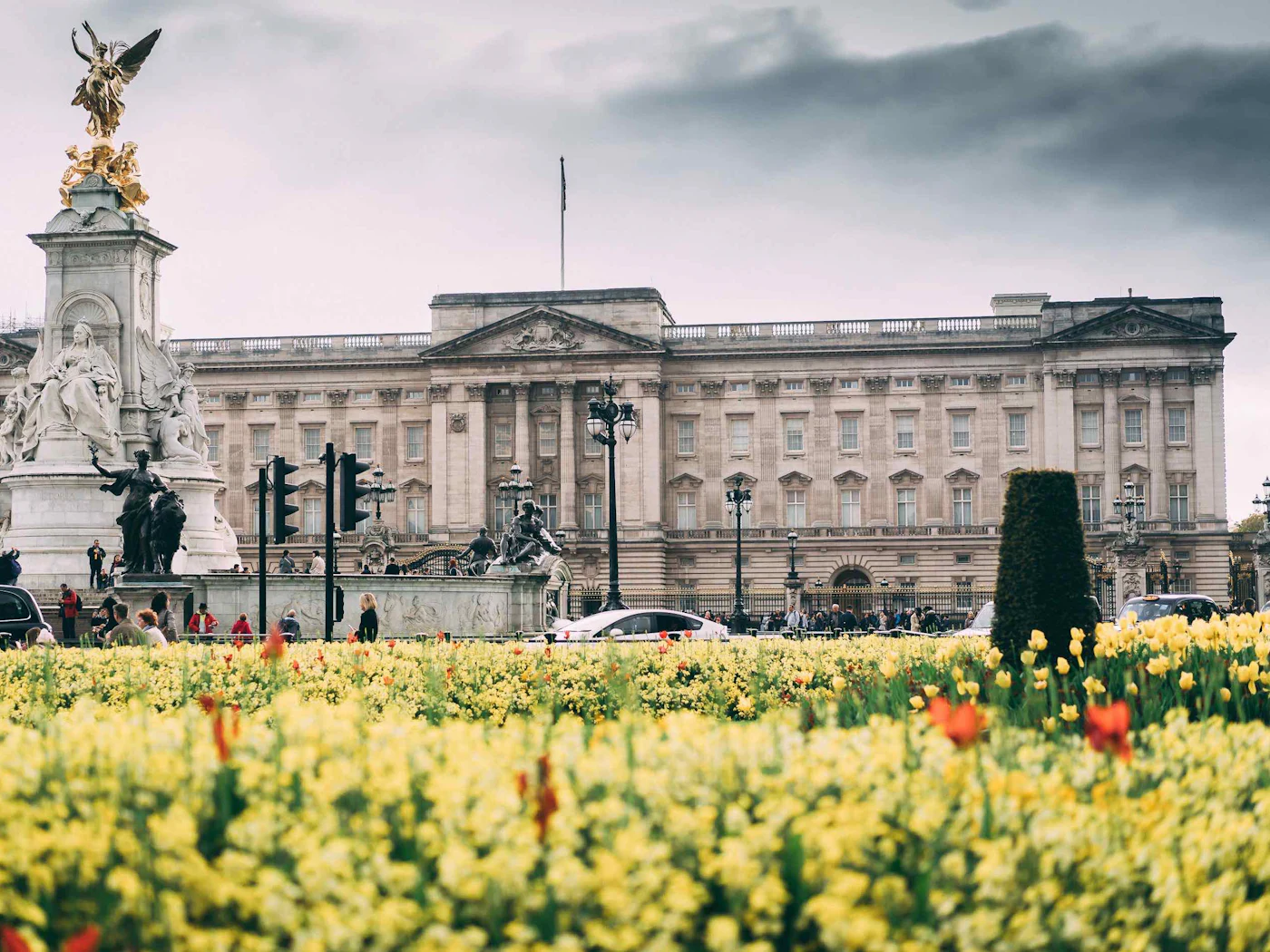
First-time visitors
Front-load the big London attractions: Westminster, Buckingham Palace, the Tower and the British Museum. Use any extra days for neighbourhoods.
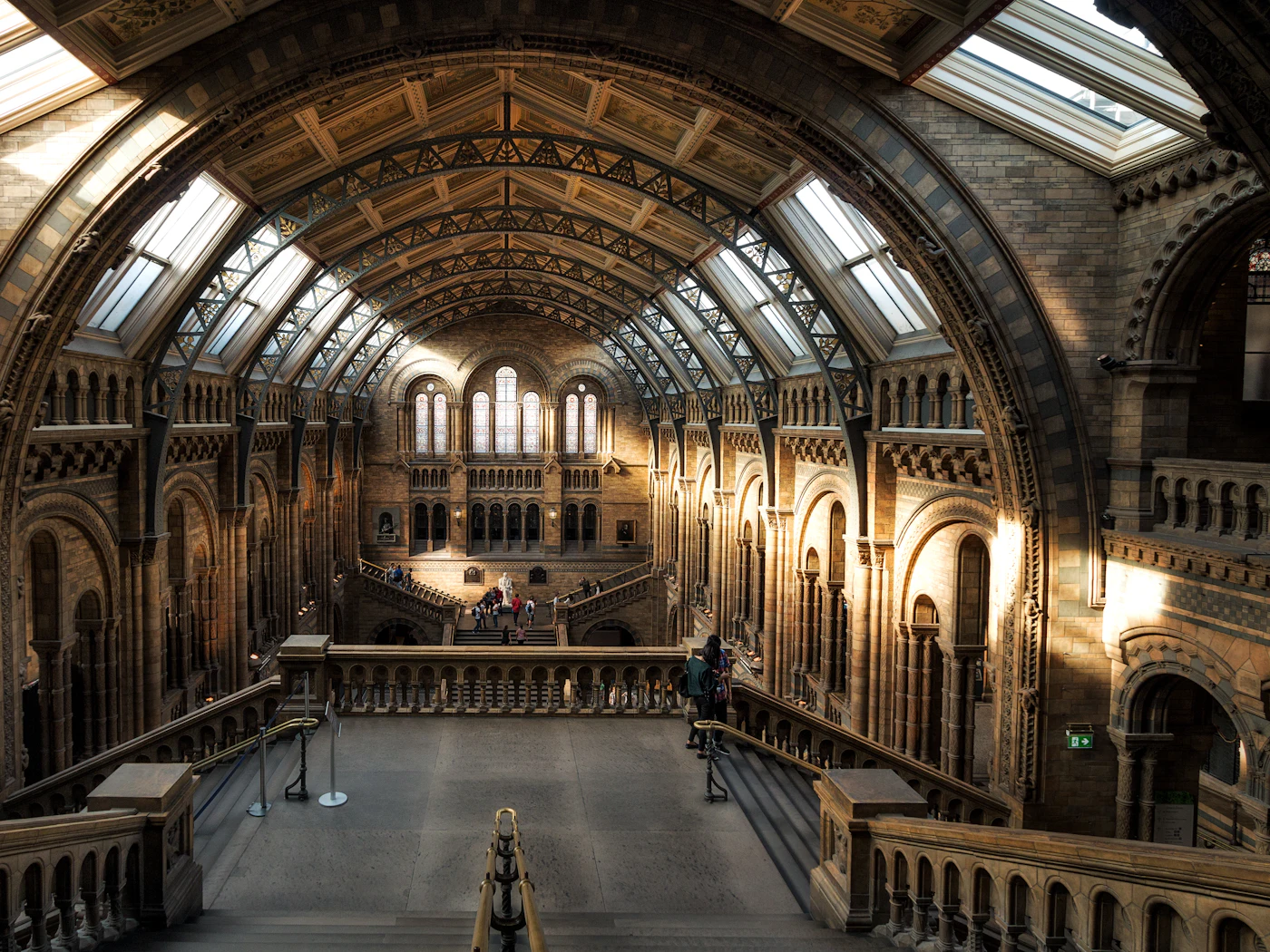
Families
Base a day in South Kensington for the Natural History and Science museums, both free, then let the children run off energy in Hyde Park, one of London's royal parks.
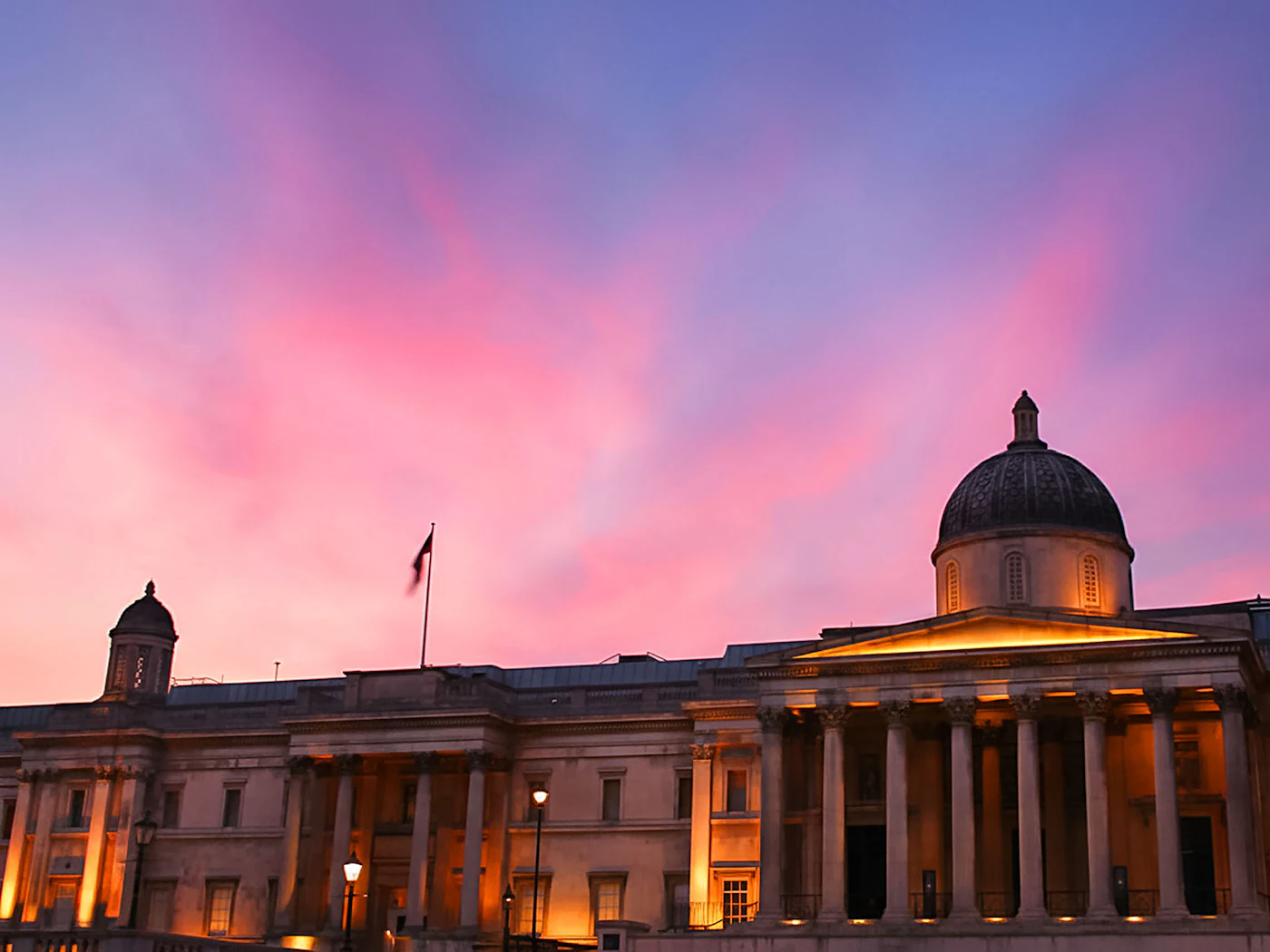
Art and history
Pair the British Museum with the National Gallery, then add the V&A and both Tates. Most permanent collections in London are free, which keeps the cost of a history-heavy trip down.
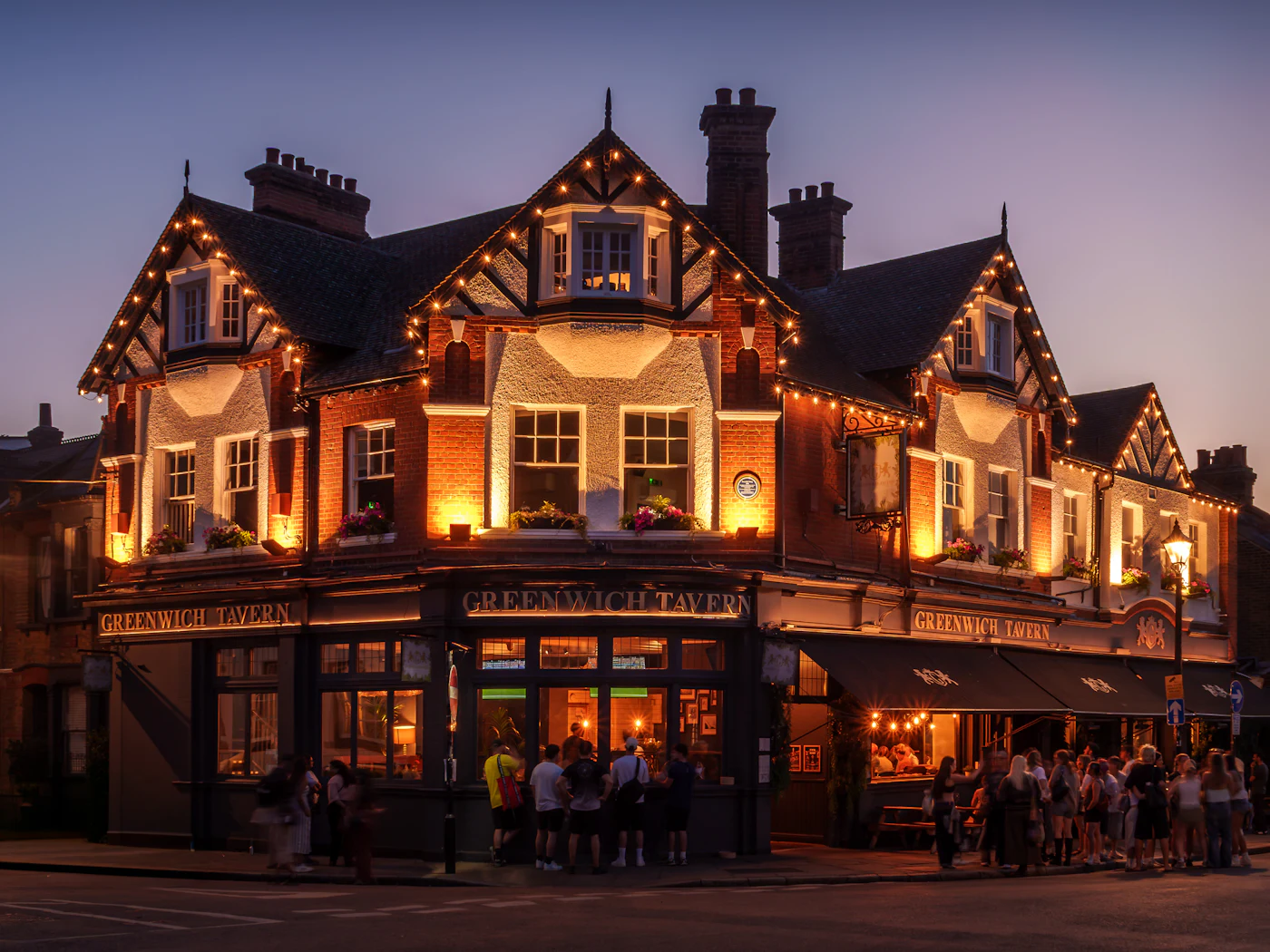
Food and evenings
Stay near Soho in central London, plan afternoons around markets, and book at least one night of theatre.
Adding a Day Trip to Windsor Castle
Windsor Castle is the easiest royal day trip from London, and there are two rail routes into the town. The station names look alike, so check which one your train goes to.
Change at Slough for the short shuttle to Windsor & Eton Central, which sits right below the castle walls. Around 35 minutes in total, depending on the connection.
A direct South Western Railway train to Windsor & Eton Riverside takes about 55 minutes. Oyster cards can't be used beyond Feltham, so buy a rail ticket.
Check opening days on the Royal Collection Trust site before you travel, because the castle closes for some state and royal events. Greenwich, Hampstead and Richmond make good half-days without leaving London.
Practical Tips for Your Trip
These London travel itinerary tips cover the logistics that quietly decide how much you see each day.
Tube, buses and your own feet
Tap the same contactless card or phone on every journey. TfL caps your daily and weekly fares, so you never need to work out the cheapest ticket yourself, but you do need to use the same card each time for the cap to work. In central London, check the walk before going underground: neighbouring stations are often closer on foot than the route through the tunnels suggests.
Is a London Pass worth it?
Add up the entry prices of the paid attractions you actually plan to visit and compare that with the pass price for your number of days. A pass only pays off if you visit several paid sights a day. Many of the best London attractions, including the British Museum, National Gallery and Tate Modern, are free anyway.
Same-day theatre tickets
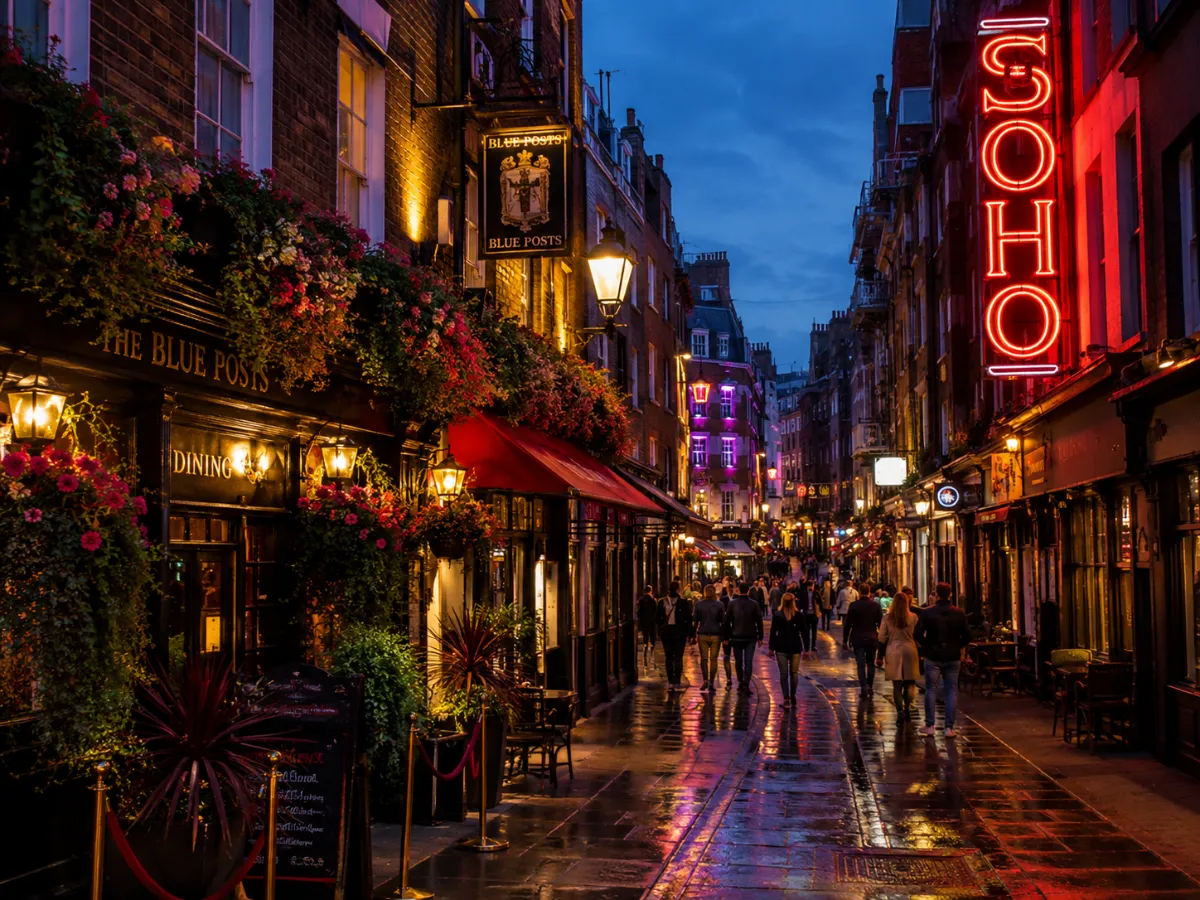
The Official London Theatre Ticket Booth (the old TKTS) is in the Clocktower building on the south side of Leicester Square. On-the-day tickets also go on sale online at 00:01. Leicester Square has other London ticket booths too, so make sure you are at the official one in the Clocktower.
One base, central and on a good line
Moving hotels mid-trip eats into a day of seeing London. Pick one base in the city near a station with direct lines to the areas in your plan: Westminster, Covent Garden, the South Bank and South Kensington all work well. Compare them in our London neighbourhood guide.
Planning Questions
Short answers to the questions that shape most trips to London.
Is 3 days enough for London?
Three days in London covers the main city landmarks, one or two major museums and an evening at the theatre. Each extra day adds neighbourhoods, markets, parks or a day trip rather than more rushing.
What is the best day to start a London itinerary?
Avoid putting Westminster on a Sunday, when London's most famous abbey is closed for sightseeing. A Monday, Wednesday or Friday start gives you a good chance of catching the Changing of the Guard, but always check the official calendar.
Should I plan every hour?
Book the timed tickets and fix the morning anchor of each day, then leave the afternoon flexible. London weather, queues and opening hours will move things around.
Can I fit Windsor Castle into a short trip?
It works as half of a day, but on a trip of three days or fewer it usually costs you a whole London area. Save it for five days or more.

Plan by area, not by attraction.
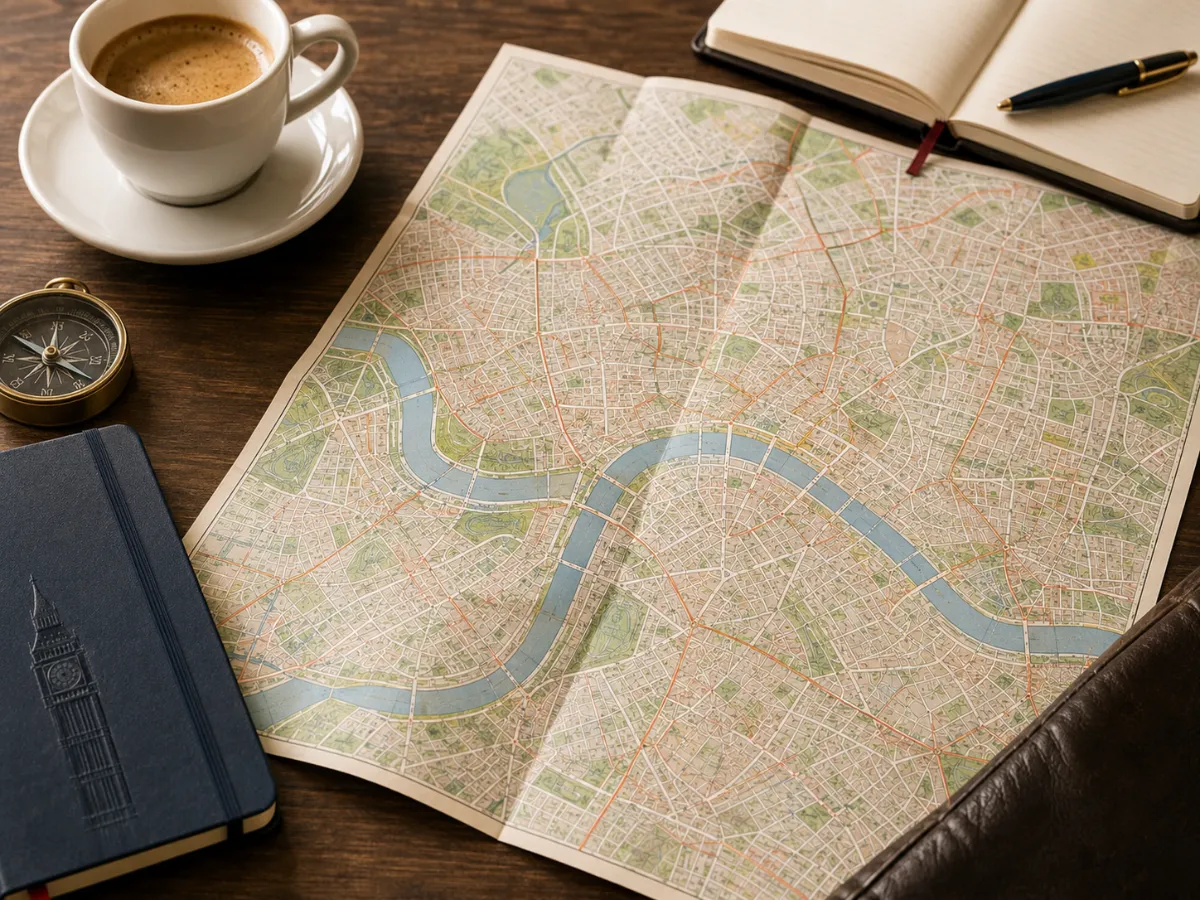
London looks smaller on a map than it feels on foot. The easiest way to enjoy the city is to group nearby places together. Westminster, South Bank, and Covent Garden work well together. Notting Hill and Kensington make a calmer day. Greenwich deserves its own slower visit.
Open The London MapNot sure where to begin?
Start with the 3-Day London Itinerary. It gives you the best balance of famous landmarks, local neighbourhoods, food stops, walking routes, and realistic daily pacing.